Understanding Game Item Trading Platforms in 2026

Explore how skin marketplaces work, from float value assessment and trade hold mechanics to transaction fees and secure item exchange protocols.
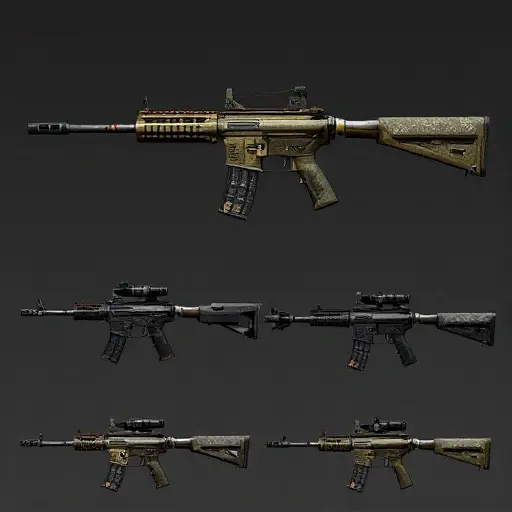
CS:GO skin trading interface showcasing item marketplace and inventory management

Key Platform Features

Understanding the essential components of modern skin trading platforms and marketplace mechanics.

🎯

Float Value Inspection

Float values determine skin wear from Factory New (0.00-0.07) to Battle-Scarred (0.45-1.00). Platforms display precise float data for informed trading decisions and accurate item valuation.

💱

Trade Lock Systems

Understand 7-day trade holds, mobile authenticator requirements, and Steam Guard integration. These security measures protect against unauthorised transfers and account compromises.

📊

Market Price Tracking

Real-time price feeds aggregate data across multiple marketplaces. Track historical trends, seasonal fluctuations, and operation case impacts on item valuations.

🔍

Sticker Positioning

Sticker placement affects skin value significantly. Best positions include weapon magazine, scope, and handle. Katowice 2014 stickers add premium value based on placement quality.

Instant vs Manual Trade

Bot trades offer immediate execution with fixed rates, while peer-to-peer manual trades allow negotiation but require user coordination and longer settlement times.

💳

Fee Structures

Transaction fees typically range 1-5% depending on platform. Withdrawal methods include cryptocurrency, balance transfers, or item-for-item exchanges with varying fee tiers.

🛡️

Trade Ban Detection

Platforms scan Steam profiles for trade bans, VAC bans, and market restrictions. Items from banned accounts are flagged to prevent fraudulent circulation in the marketplace.

🎨

Pattern Index Analysis

Certain skins like Case Hardened have pattern seeds affecting blue percentage and value. Pattern databases help identify rare seed numbers commanding premium prices.

How Trading Platforms Operate

Step-by-step breakdown of the trading process from inventory connection to item transfer completion.

1

Inventory Connection

Link your Steam account through API keys or OAuth authentication. Platforms read inventory contents without accessing login credentials, displaying tradable items automatically.

2

Item Valuation

System checks float values, sticker applications, pattern indices, and market demand. Compare suggested prices against trade gg, tradeitgg, and other marketplace averages for accuracy.

3

Trade Offer Creation

Select items for exchange. Bot systems generate instant offers, while manual trades create peer-to-peer listings. Review trade hold durations and authenticator requirements before proceeding.

4

Confirmation & Execution

Accept trade via Steam mobile app or email confirmation. Items transfer through Steam's official trade system. Verify receiving account and item details before final confirmation.
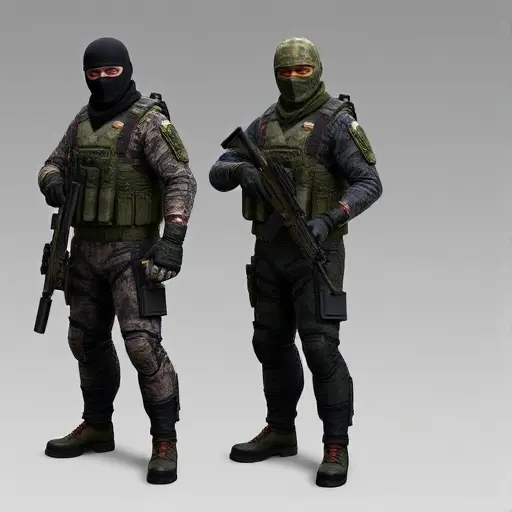
Trading platform workflow diagram showing inventory sync and trade execution process

Common Trading Scenarios

Real-world use cases demonstrating different trading strategies and platform utilisation patterns.
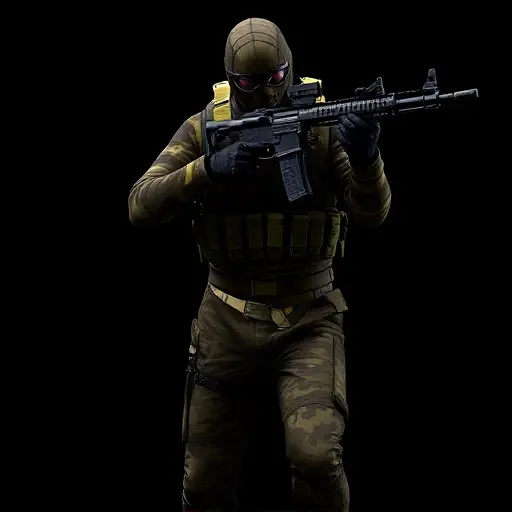
Skin upgrade trading scenario showing lower tier items exchanged for higher value item

Upgrading Skin Inventory

Users exchange multiple lower-value items for a single high-tier skin. Trade it platforms calculate cumulative value including fees, helping consolidate inventory into premium items with better liquidity.
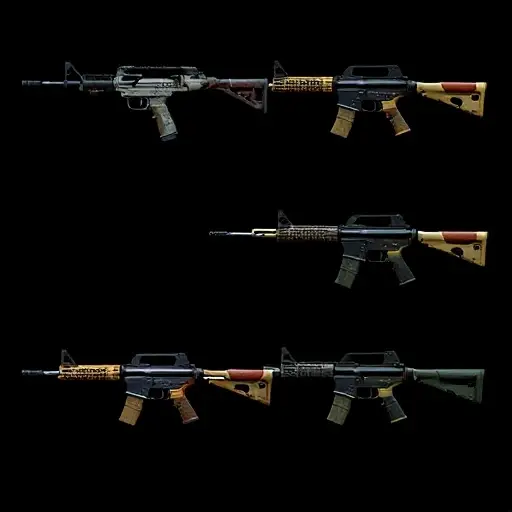
Liquidation process showing skins converted to tradeable balance for withdrawal

Inventory Liquidation

Convert dormant skins into withdrawable balance. Tradeit gg style platforms offer instant buyout rates below market value for quick liquidity, ideal when exiting the game or funding external purchases.
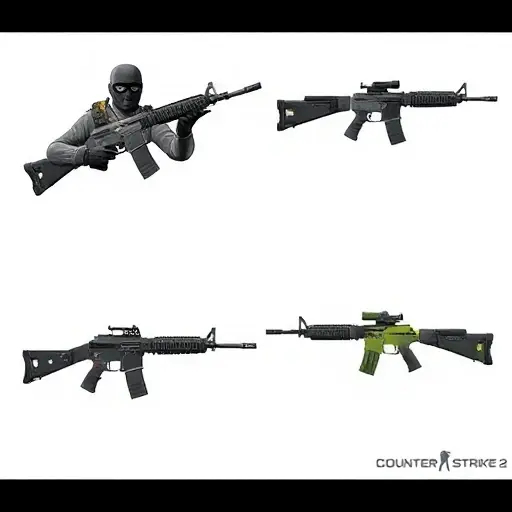
Float hunting interface displaying precise wear values for specific skin patterns

Float Hunting

Collectors search for specific float ranges - low floats for Factory New collectors or high floats for Battle-Scarred patterns. Advanced filters on trade-it platforms enable precise wear value searches.
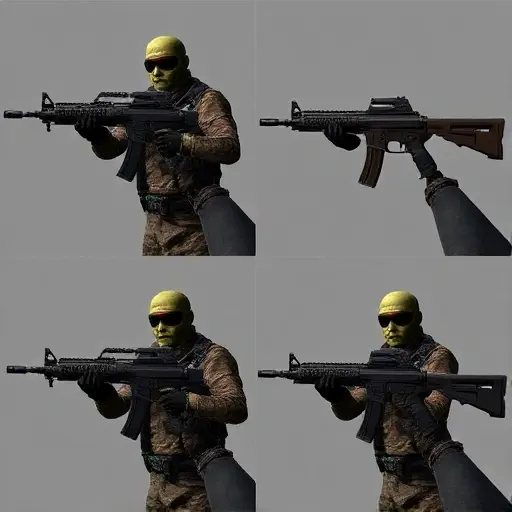
Sticker combination showcase with Katowice stickers on weapon skins

Sticker Craft Trading

Trade items with valuable sticker combinations. Platforms assess sticker value percentage based on position and rarity. Katowice 2014 stickers can add 2-50% value depending on team and placement quality.

Security & Risk Management

Understanding common threats in skin trading and protective measures implemented across marketplace platforms.
Phishing Prevention

  • Verify URL authenticity before login - check for HTTPS and exact domain spelling
  • Avoid suspicious trade links sent via Steam chat or external messages
  • Never enter credentials on third-party sites claiming to be tradeit.gg csgo platforms
  • Enable Steam Guard and use unique passwords for account protection

Trade Hold Awareness

  • 7-day holds apply when mobile authenticator is newly enabled or inactive
  • Receiving items may be subject to additional cooldowns before re-trading
  • Verify both parties have authenticators active to avoid unexpected delays
  • Check Steam profile for trade ban indicators before initiating exchanges

Scam Recognition

  • Bot impersonation - verify official bot profiles through platform documentation
  • Value manipulation - cross-reference prices on multiple sources including trade gg
  • Fake middleman schemes - platforms never request external intermediaries
  • Duplicate item scams - inspect item IDs and float values meticulously

API Key Safety

  • API keys grant inventory read access - never share or post publicly
  • Revoke unused API keys through Steam account settings regularly
  • Legitimate platforms never request your Steam password or backup codes
  • Monitor API key usage logs for unauthorised access attempts
Security dashboard showing authentication settings and trade protection features

Frequently Asked Questions

Common queries about skin trading platforms, mechanics, and marketplace operations in 2026.

What determines skin pricing on platforms like tradeit or trade.gg?

+
Skin prices are influenced by float value, exterior wear, pattern seed, sticker applications, market supply-demand dynamics, and recent sale history. Platforms aggregate data from multiple marketplaces including Steam Community Market to establish baseline valuations, then apply adjustments for unique attributes like low float Factory New conditions or rare pattern indices.

How do trade locks work when using tradeitgg style platforms?

+
Trade locks are 7-day holds imposed by Steam when mobile authenticator is newly enabled, disabled, or when trading from a new device. Items received in trades may also carry additional cooldowns before they can be re-traded. Platforms display lock durations during item selection, ensuring users understand when items become tradeable. Maintaining active Steam Guard for 15+ days eliminates holds.

What fees should I expect when using trade it gg marketplaces?

+
Transaction fees typically range from 1% to 5% depending on payment method and trade type. Bot trades often include spreads between buy and sell prices (5-10%), while peer-to-peer listings may have lower fixed fees. Withdrawal fees vary by method - cryptocurrency withdrawals usually incur network fees, while balance transfers between users may be free or nominal. Always review fee breakdown before confirming trades.

How is float value calculated and why does it matter?

+
Float value is a decimal between 0.00 and 1.00 determining skin wear appearance. Factory New ranges 0.00-0.07, Minimal Wear 0.07-0.15, Field-Tested 0.15-0.38, Well-Worn 0.38-0.45, and Battle-Scarred 0.45-1.00. Lower floats within each category show less wear, commanding higher prices. Collectors seek specific ranges like 0.00X "low floats" or 0.9X+ "max floats" for rarity.

Can I trade items immediately after purchasing on tradegg platforms?

+
Items acquired through platform purchases may have cooldown periods depending on payment method. Credit card purchases often impose 7-day restrictions to prevent fraud chargebacks. Cryptocurrency purchases typically allow immediate trading. Items received from other users inherit any existing trade locks. Always check item details for "tradeable after" dates before planning subsequent exchanges.

What makes tradeit gg different from Steam Community Market?

+
Third-party platforms offer advantages including lower fees (1-5% vs Steam's 15%), cryptocurrency withdrawal options, instant bot trades, advanced filtering by float and pattern, and item-for-item exchanges without wallet intermediaries. However, Steam Community Market provides official Valve integration and funds remain in Steam ecosystem. Users choose based on liquidity needs and withdrawal preferences.

How do stickers affect skin value on trade-it marketplaces?

+
Sticker value contribution depends on sticker rarity, team popularity, tournament significance, position quality, and skin base value. Katowice 2014 stickers add 2-50% of sticker market value depending on placement. Best positions (magazine, scope) retain more value than poor positions (stock, barrel). Scraped stickers lose significant value. Platforms calculate sticker premiums using percentage-based models rather than full sticker prices.

What security measures do tradeitgg platforms implement?

+
Reputable platforms use HTTPS encryption, two-factor authentication, API-only Steam access (never storing passwords), automated scam detection, trade ban screening, and item origin verification. They never request Steam Guard codes or backup keys. Official bots have verified profiles linked in platform documentation. Users should enable Steam Guard, verify trade URLs, and cross-reference bot profiles before accepting offers.

This website is provided for informational and educational purposes only. It is an independent resource and is not affiliated with or endorsed by any official trading platform, game publisher, or related entity. All content represents general information about skin trading mechanics and marketplace operations. All trademarks, game names, and brand references belong to their respective owners.